It was supposed to be a secret. Three hundred and fifty invitations had been sent for the momentous occasion held at a Tel Aviv museum. But word spread, and crowds gathered outside, singing in the streets. They sang words written some 70 years before, words that had become a part of their very lives and were the passion of their hearts. They sang of a specific hope.
Hatikvah (The Hope)An invitation to Israel's declaration of independence event on May 14, 1948. Dated May 13, 1948, the simple invitation asks attendees to keep the event secret and dress in dark-colored formal attire. This invitation is addressed to Tzvi Rachum of Mexico.
It was May 14, 1948. Inside the museum, David Ben-Gurion stood before members of the Jewish People’s Council and read The Declaration of the Establishment of the State of Israel.
The document officially commencing the new and sovereign Israel outlines the founding principles upon which the state was formed. It declares that the State of Israel will:
be open for Jewish immigration and for the Ingathering of the Exiles
foster the development of the country for the benefit of all its inhabitants
be based on freedom, justice and peace as envisaged by the prophets of Israel
ensure complete equality of social and political rights to all its inhabitants irrespective of religion, race or sex
guarantee freedom of religion, conscience, language, education and culture
safeguard the Holy Places of all religions
Israel’s Declaration of Independence asks peace from its Arab inhabitants:
“We appeal - in the very midst of the onslaught launched against us now for months – to the Arab inhabitants of the State of Israel to preserve peace and participate in the upbuilding of the State on the basis of full and equal citizenship and due representation in all its provisional and permanent institutions.”
Despite hostilities against her, the new Jewish State was determined to work with neighboring nations for the good of the region.
“We extend our hand to all neighbouring states and their peoples in an offer of peace and good neighbourliness and appeal to them to establish bonds of cooperation and mutual help with the sovereign Jewish people settled in its own land. The State of Israel is prepared to do its share in a common effort for the advancement of the entire Middle East.”
Israel opened its doors to Jewish people from all over the world and sought their help in building up and strengthening the fledgling state.
“We appeal to the Jewish people throughout the Diaspora to rally round the Jews of Eretz-Israel [the Land of Israel] in the tasks of immigration and upbuilding and to stand by them in the great struggle for the realization of the age-old dream - the redemption of Israel.”
“Accordingly we, members of the People's Council, representatives of the Jewish Community of Eretz-Israel and of the Zionist Movement, are here assembled on the day of the termination of the British Mandate over Eretz-Israel and, by virtue of our natural and historic right and on the strength of the resolution of the United Nations General Assembly, hereby declare the establishment of a Jewish state in Eretz-Israel, to be known as the State of Israel.”
Ever since moving to the Land in 1906, David Ben-Gurion had worked toward this day. After he read the Declaration to the group assembled there in Tel Aviv that night, he and 36 others signed the document. And Israel was reborn.
“Placing our trust in the Almighty, we affix our signatures to this proclamation at this session of the Provisional Council of State, on the soil of the Homeland, in the city of Tel-Aviv, on this Sabbath eve, the 5th day of Iyar, 5708 (14th May, 1948).”
The entire ceremony lasted a mere 32 minutes. The hope of 2,000 years had come true. And people danced in the streets as they sang Hatikvah, the song destined to become Israel’s national anthem.
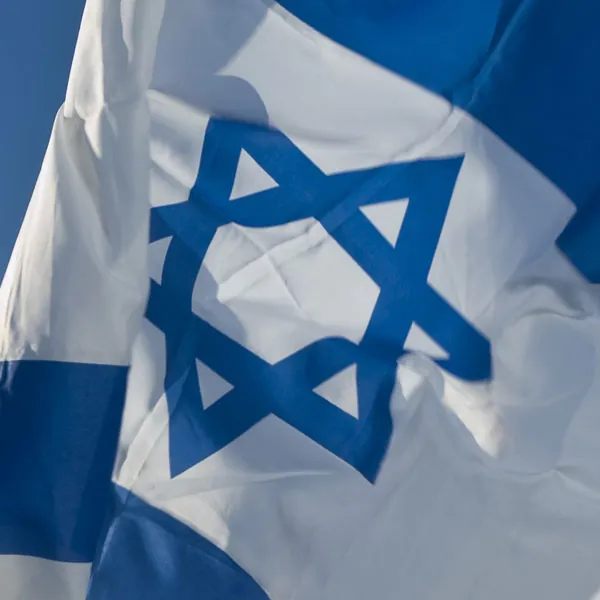
This year, Israel celebrates its 71st anniversary. The 5th of Iyar of the Hebrew calendar begins on the evening of May 8 on the 2019 Gregorian calendar and ends at sundown on May 9. Israel Independence Day is known as Yom HaAtzmaut (YOHM Ha-AHTZ-mah-OOT) in Hebrew. It is a national holiday in Israel and a day filled with family gatherings, recreation, public events and celebrations.


Israel has come under scrutiny for its military actions in Gaza

God’s love for Israel shows through His favor toward those who love her. “Pray for the peace of Jerusalem: ‘May those who love you be secure’” (Psalm 122:6).

The United States has an established history of standing with Israel. Since President Truman supported the founding of the State of Israel in 1948...

Learn about Israel's three national holidays in April: Yom HaShoah (Holocaust Remembrance), Yom HaZikaron (Memorial Day), and Yom HaAtzmaut (Independence Day).