Jewish people across the globe are calling foul on a new law enacted by Poland in February, which many link to anti-Semitic Holocaust denial.
Passed in January by Poland’s conservative ruling party, the legislation criminalizes the use of such phrases as “Polish death camps,” referring to the brutal facilities in Poland where the Nazis exterminated millions of Jewish people as well as non-Jewish Poles during Germany’s World War II occupation, from 1939 until 1945. The law stipulates stiff fines and prison terms of up to three years for anyone in the world who claims the Polish government or people contributed to those Nazi war crimes.
One key paragraph of the bill is receiving the most media attention. It states, “Whoever claims, publicly and contrary to the facts, that the Polish Nation or the Republic of Poland is responsible or co-responsible for Nazi crimes committed by the Third Reich … or for other felonies that constitute crimes against peace, crimes against humanity or war crimes, or whoever otherwise grossly diminishes the responsibility of the true perpetrators of said crimes – shall be liable to a fine or imprisonment for up to three years.”
The new law launched criticism from Israeli officials, Jewish groups in the United States, Polish historians, Germany’s foreign minister and the U.S. State Department.
Opponents believe the bill will stifle free speech not only in Poland but worldwide and is an attempt by Poland to rewrite history. Within days of passage, Prime Minister Benjamin Netanyahu said at a cabinet meeting that Israel has zero tolerance for “distorting the truth, rewriting history or denying the Holocaust.”
“Israel views with utmost gravity any attempt to challenge historical truth,” Israel’s Foreign Ministry Spokesman Emmanuel Nahshon said of the bill. “No law will change the facts.”
Holocaust survivors staged a February protest in front of the Polish embassy in Tel Aviv, holding signs and sharing their own stories of being in the camps that the Nazis built in Poland. Several survivors said their Polish neighbors either harmed them or refused to help them, and that Poles worked in the camps that abused them. The law’s critics say that even truthful statements like those from Holocaust survivors are now illegal in Poland.
The Polish government promised not to enforce the law until it is reviewed by Poland's constitutional court. However, the day after the legislation went into effect, the Polish League Against Defamation filed the first lawsuit. The suit alleges that an Argentinian newspaper harmed Poland’s reputation by publishing a photo of a 1941 massacre of Jews by their Polish neighbors. It also alleges that the newspaper manipulated its readers into believing Poland is anti-Semitic.
The controversial law comes amid what several groups dedicated to measuring and fighting anti-Semitism are calling a global rise in hate crimes against Jewish people.
While it’s hard to argue with quantitative research showing that anti-Semitism is on the rise – and Poland’s new law may be a result that of that increase – there are things you can do now:
As a token of our appreciation for your gift of $15 or more today, we’ll send you a copy of the moving book, Life in the Shadow of the Swastika. This book will bring to life the horrors of the Holocaust and help us understand that it must never happen again. It will also remind you of your faithful support of Jewish Voice, Israel, and Holocaust survivors in particular, and your prayers that God will protect His people, especially those who have suffered greatly and are most vulnerable.


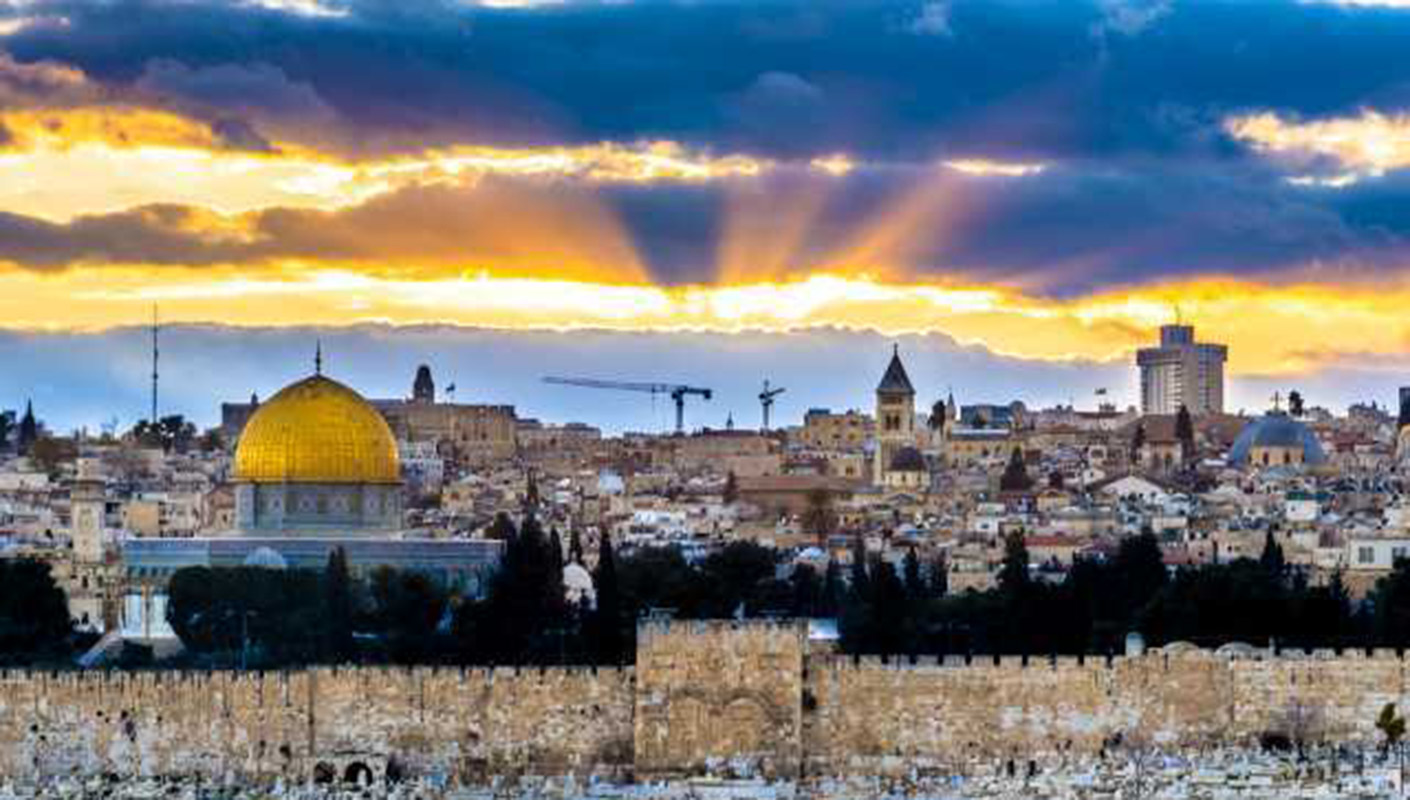
Israel has come under scrutiny for its military actions in Gaza
God’s love for Israel shows through His favor toward those who love her. “Pray for the peace of Jerusalem: ‘May those who love you be secure’” (Psalm 122:6).

The United States has an established history of standing with Israel. Since President Truman supported the founding of the State of Israel in 1948...
.png)
Learn about Israel's three national holidays in April: Yom HaShoah (Holocaust Remembrance), Yom HaZikaron (Memorial Day), and Yom HaAtzmaut (Independence Day).





.jpeg)
.jpeg)